
ResearchBiologyEssay
De-Extinction: A Second Chance for Earth’s Ecosystems
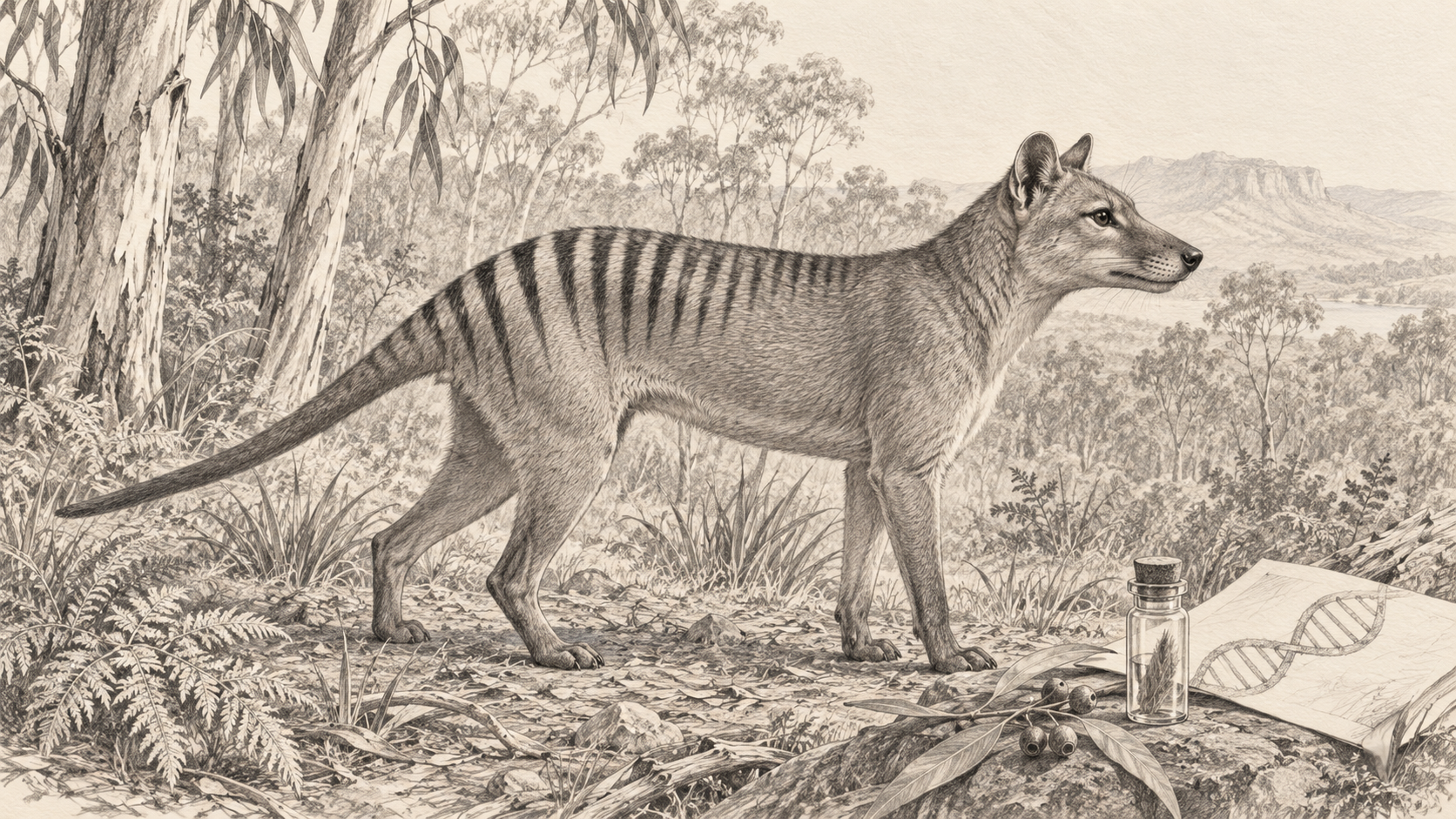
While initial experiments have seen limited success, reviving exterminated species could greatly benefit our planet.
Shivaani Kumara VenkateshOctober 18, 20265 min read
Youth Sentinel is a youth-led publication exploring medicine, ethics, public health, and the social consequences of scientific progress — with clarity, rigor, and editorial discipline.
While initial experiments have seen limited success, reviving exterminated species could greatly benefit our planet.
Subscribe by email, save the reader links page, or send a note to the editors.
Student contributors can join a 501(c)(3) nonprofit and PVSA-certified organization built for meaningful science communication service.
Questions or story tips: theyouthsentinel@gmail.com
A series on silence, communication, trust, and power in clinical care.
Essays on illness, uncertainty, physician identity, and the human side of medicine.
Historical and global perspectives on health systems, equity, and reform.
A student perspective on plasma donation, lifesaving medical demand, donor risk, and why stronger protections matter.
The story of Lulu and Nana still shapes the debate over whether scientists should make heritable edits before the long-term risks are understood.
A breakthrough gene therapy may have cured one baby, but the larger question is who gets left out when innovation is priced like a luxury.
Reporting on medicine, clinical care, treatment access, and the human consequences of scientific progress.
Reporting on health systems, prevention, epidemiology, and the institutions that shape public well-being.
A section for medical ethics, scientific responsibility, consent, and the moral questions that travel with innovation.
Research covers discoveries across science and technology, with attention to why they matter for human life, medicine, public health, ethics, and society.
Essays are Youth Sentinel’s home for reflective, evidence-based writing on medicine, ethics, public health, and the human consequences of scientific progress.
Browse essaysWe welcome high school students who want to write, edit, illustrate, or interview experts across medicine, public health, and research. Youth Sentinel is a 501(c)(3) nonprofit and PVSA-certified organization, and eligible contributor work can be documented through the publication's volunteer process.
A student explainer on quantum computing, below-threshold error correction, and why Willow matters beyond the headline.
A student explainer on rare earth elements, aerospace technology, supply-chain risk, and why these materials matter in the 21st century.
AI can help clinicians work faster and patients find information, but privacy risks and unclear accountability make human oversight essential.
Health care access is not only about whether clinics exist, but whether women can reach, understand, and choose care on equal terms.
The Opium Wars show how economic pressure and political power can turn a harmful drug into a tool of trade.